 Haaris News

Refineries sent a letter to OGRA asking for actions to stop illegal imports.
BY Mahnoor | 21-05-2026
ISLAMABAD:
Due to the US-Iran conflict, Iranian oil products are being illegally brought into Pakistan, worrying local oil companies.
For over two months, Iran has blocked the Strait of Hormuz, a vital route for global oil shipments. This has caused a big jump in oil prices worldwide, and Pakistan is also feeling the effects.
Pakistan’s weekly cost for oil imports has jumped from $300 million to $800 million, hurting the economy. Because things are so uncertain, a lot more oil is being smuggled in from Iran, which is a big problem for Pakistan’s own oil businesses.
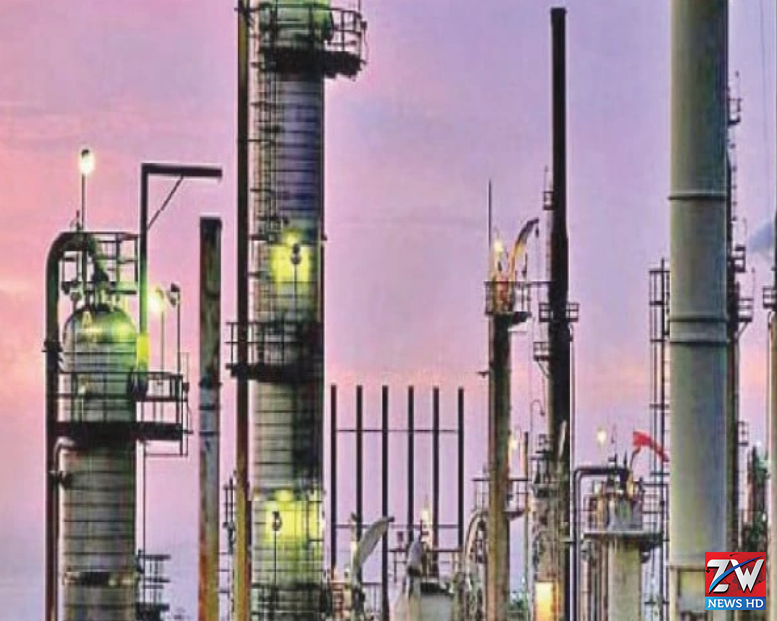
The Express Tribune reports that all refineries, including Parco, PRL, NRL, and ARL, jointly warned the Oil and Gas Regulatory Authority (Ogra) chairman. They said that smuggled Iranian petroleum products seriously threaten refinery operations.
They mentioned a meeting organized by Ogra recently to discuss the issue of low purchasing from local refineries. They added that the refineries emphasized exploring ways to handle the growing import of petroleum products, which seems to be affecting the demand for products refined locally, instead of reducing refinery production.
They worried a lot that these money flows, if not stopped, could get even bigger, maybe as high as before. This could hurt how much refineries can process, how well they run, and the whole country’s supply system.
Given this situation, we ask Ogra to point out the possible negative effects of unregulated product imports on refineries and to suggest proper enforcement and monitoring steps to protect the local oil supply chain,
In 2024, intelligence agencies discovered a scheme with 738 gas stations, smugglers, and officials working together to illegally import Iranian oil, costing the country 227 billion rupees each year.
They found that about 533 gas stations, 100 dishonest officers, and 105 Iranian oil smugglers were involved in the scheme, illegally trading oil. They were transporting oil to Pakistan by land and sea.
After this, Pakistan’s leaders started controlling the illegal import of Iranian oil. Some people think this is good for Pakistan because oil prices are high and getting oil is hard because the Strait of Hormuz is closed.
Kuwait and Saudi Arabia recently sent oil to Pakistan to help them avoid an expected oil shortage. Pakistan hasn’t been able to build its own oil reserves, making shortages a big risk. Now, the government is thinking about creating oil reserves to prevent future shortages.
Diesel and petrol from Iran are mostly smuggled through hidden paths in the Makran and Rakhshan areas. These products even make their way to Southern Punjab and Sindh.
About 2.8 billion litres of oil are illegally smuggled each year, costing the country at least Rs227 billion. This smuggled oil is mostly sold at illegal gas stations by the road.
In 2023, Iran’s oil smuggling reached a high of 10.1 million liters daily. After the previous government took action, it fell sharply to 5 to 5.3 million liters.
About 5,000 tons of high-speed diesel are illegally brought into the country daily, while the total need is 22,000 tons. This illegal diesel makes up about 23% of all diesel used. The government is said to be losing Rs80 per litre in taxes, which means they are losing about Rs475 million each day.
In this situation, the Balochistan government made a surprising announcement in national newspapers in early April 2026. They suggested allowing the sale of smuggled Iranian diesel in the province for Rs280 per liter. Industry experts are even more worried about a proposal to have refineries cut back on diesel production instead of stopping the smuggling. They believe this would send a very bad message to the refineries.
It’s hard to see how refineries will invest billions in improvements and more capacity when they can’t even sell what they already make because of the flood of illegal, smuggled goods.
